
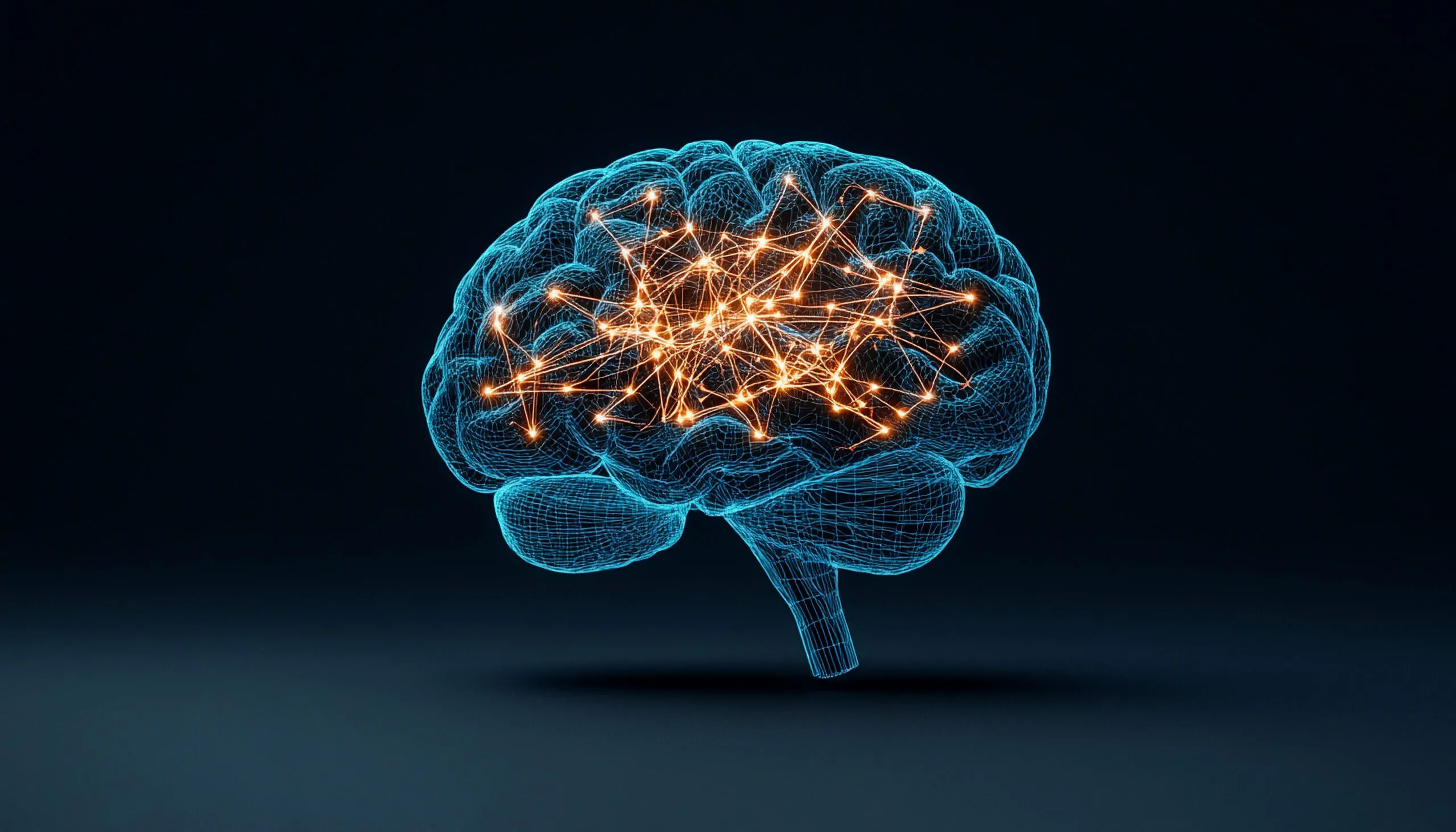
Brain Energy Theory: Exploring a New Approach to Mental Health and Wellness
Mental health disorders affect millions of people worldwide, but what if their root cause isn’t just a chemical imbalance? A developing concept known as the Brain Energy Theory is shaping ongoing discussions in mental health research, suggesting that conditions like depression, anxiety, bipolar disorder, and schizophrenia may be linked to how the brain produces and uses energy.
In this article, we’ll break down the Brain Energy Theory in simple terms, explore its connection to mental health, and discuss actionable steps you can take to improve brain function and overall well-being. At Allay Health and Wellness, we provide clinician-guided options such as ketamine therapy (used off-label for certain mental health conditions) and IV nutrient infusions, which may support neurological function as part of a broader treatment plan. Whether you’re looking for holistic lifestyle changes or advanced therapeutic options, we’re here to help you take the next step toward better mental and physical health.
What Is the Brain Energy Theory?
The Brain Energy Theory suggests that some mental health conditions may be linked to challenges in how the brain uses and produces energy. This theory is still being studied, and more research is needed. Instead of focusing solely on neurotransmitter imbalances, this theory highlights the role of mitochondria, metabolism, and brain function in mental health.
How Does the Brain Produce Energy?
The brain is a high-energy organ, consuming about 20% of the body’s total energy. It primarily relies on two energy sources:
• Glucose (sugar from food)
• Ketones (produced when the body burns fat for fuel)
Mitochondria—often called the “powerhouses of the cell”—convert these fuels into energy. When mitochondria are damaged or inefficient, the brain lacks the energy needed to function optimally, which may lead to mental health conditions.
The Connection Between Brain Energy and Mental Health
Some researchers suggest that certain mental health conditions may be connected to problems with brain energy metabolism. Research suggests that conditions such as depression, bipolar disorder, and schizophrenia may stem from mitochondrial dysfunction, inflammation, and poor energy utilization.
Mental Health Disorders and Brain Energy Deficits
1. Depression – Research has explored whether low energy production in the brain may play a role in symptoms such as low motivation or sadness.
2. Anxiety Disorders – An overactive stress response can drain the brain’s energy reserves, leading to excessive worry and fear.
3. Bipolar Disorder – Some studies are examining possible links between energy metabolism and mood fluctuations, but findings are still preliminary.
4. Schizophrenia – Energy deficits in specific brain regions may impair cognitive function and perception.
What Causes Brain Energy Deficiency?
Several factors can disrupt energy production in the brain, including:
• Chronic Stress – Prolonged stress has been associated with changes in cortisol, which may affect mitochondrial function and energy metabolism. Research is ongoing.
• Poor Diet – High-sugar, processed foods contribute to inflammation and insulin resistance, affecting brain energy levels.
• Lack of Sleep – Sleep is essential for mitochondrial repair and waste removal in the brain.
• Toxin Exposure – Heavy metals, pesticides, and environmental toxins can impair mitochondrial function.
• Genetic Factors – Some people are genetically predisposed to mitochondrial dysfunction.
By addressing these factors, individuals may be able to support healthier brain function, which could play a role in mental well-being.
How to Support Brain Energy for Mental Health
The Brain Energy Theory offers a groundbreaking perspective on mental health, emphasizing that conditions like depression, anxiety, and bipolar disorder may be linked to energy metabolism in the brain. Instead of viewing mental health struggles solely through a chemical imbalance lens, this approach highlights the role of mitochondrial function, inflammation, and metabolic health in brain energy production. The good news?
By optimizing nutrition, engaging in regular physical activity, improving sleep quality, and managing stress, you can enhance mitochondrial function and promote better cognitive and emotional well-being. Research suggests that dietary patterns like the ketogenic diet, anti-inflammatory foods, and key nutrients such as CoQ10, magnesium, and omega-3 fatty acids can play a crucial role in boosting brain resilience and energy efficiency.
Additionally, prioritizing stress management through mindfulness practices and ensuring consistent, high-quality sleep can further protect and sustain brain energy. These approaches should be considered supportive strategies and not replacements for professional medical care.
Below, we explore key ways to optimize brain energy and enhance overall mental well-being through simple yet powerful lifestyle modifications.
1. Optimize Nutrition for Brain Energy
• Low-Carb and Ketogenic Diets: A ketogenic-style diet (high in healthy fats, moderate protein, and low carbs) has been studied for its potential effects on mitochondrial function, but it may not be suitable for everyone. Consult a qualified healthcare provider before making major dietary changes.
• Anti-Inflammatory Foods: Anti-inflammatory foods such as fatty fish, nuts, seeds, and leafy greens may support general health, though individual results vary.
2. Exercise for Mitochondrial Health: Exercise can support mitochondrial health and overall brain function.
3. Prioritize Quality Sleep: Quality sleep may help with repair processes in the brain.
4. Reduce Stress and Support Mental Resilience: Mindfulness and stress reduction techniques may contribute to better resilience.
5. Consider Supplements for Brain Function:
Certain nutrients support mitochondrial function and brain energy production, including:
• CoQ10 – A dietary supplement that has been studied for its potential role in supporting cellular energy production.
• Magnesium – An essential nutrient that plays a role in many body functions, including energy metabolism.
• Omega-3 Fatty Acids – Found in fish oil, these support brain cell structure and function.
Always consult with a qualified provider before beginning supplements, as needs vary by individual.Why the Brain Energy Theory Matters
The Brain Energy Theory represents a major shift in how we approach mental health. Instead of focusing solely on neurotransmitters, it considers brain metabolism, mitochondrial health, and overall energy production. This metabolic approach is a developing area of study that may inform future mental health strategies. It is not a replacement for established treatments, and more research is needed to determine its role.
Key Takeaways:
✔ Some research suggests that certain mental illnesses may be linked to problems with brain energy metabolism, but this area is still being studied.
✔ Supporting mitochondrial function through nutrition, exercise, sleep, and stress management can improve brain health.
✔ Emerging research suggests that metabolic therapies, including ketogenic diets and targeted supplements, could play a role in mental health treatment.
By addressing brain energy deficiencies, we may be able to enhance mental clarity, mood stability, and overall well-being.
Ready to Learn More About Brain Health?
📞 Call us or text us at 561-781-5988 now to schedule your free consultation!
Contact Allay Health and Wellness – Start Your Journey to Better Health
Ready to take the next step toward improved well-being? The team at Allay Health and Wellness is here to assist you. Whether you have questions about ketamine therapy, IV treatments, or chronic pain management, we’re just a call or message away. Reach out today to schedule a consultation or learn more about how we can support your wellness journey.
📍 Address: 11000 Prosperity Farms Rd, Suite 101, Palm Beach Gardens, FL 33410
📧 Email: [email protected]
📞 Phone: (561) 421-6444
Disclaimer:
The information on this page is for educational purposes only and is not a substitute for professional medical advice, diagnosis, or treatment. Always seek the advice of a qualified healthcare provider before starting or changing any treatment. Ketamine is FDA-approved as an anesthetic, but its use for mental health conditions such as depression, and anxiety is considered off-label. Individual experiences vary, and no outcomes are guaranteed.
Browse all of our articles for more on mental health and ketamine therapy.