

Surviving GAD: Understanding Generalized Anxiety Disorder and Finding Balance
Have you ever felt a wave of worry that just won’t go away, no matter how hard you try to calm your mind? For some, this is more than everyday stress. It’s a constant cycle of fear and tension that interferes with life. This condition is called generalized anxiety disorder (GAD), and it affects millions of people worldwide.
Living with GAD can feel overwhelming, but understanding it is the first step toward regaining balance. In this article, we’ll explain what generalized anxiety disorder is, its causes and symptoms, and practical ways to cope. You’ll also learn about available treatments and how Allay Health and Wellness supports mental health with compassionate care and innovative therapies.
What Is Generalized Anxiety Disorder (GAD)?
Generalized anxiety disorder (GAD) is a mental health condition that causes persistent and excessive worry. Unlike normal stress that comes and goes, GAD lasts for months and can feel overwhelming. People with this condition often worry about everyday issues such as work, health, family, or finances, even when there is no clear reason to feel anxious.
This ongoing anxiety affects both the mind and body. It can lead to restlessness, trouble focusing, fatigue, and difficulty sleeping. Over time, these symptoms may interfere with daily activities, relationships, and overall well-being. GAD can affect anyone, but it often starts in childhood or early adulthood. Without proper care, symptoms may persist or worsen. Understanding the signs and seeking help are important steps toward managing this condition. Professional treatment and healthy coping strategies can make living with GAD more manageable.
Signs and Symptoms of GAD
Living with GAD can feel overwhelming because it often hides behind everyday worries. Many people dismiss the early signs, thinking stress is temporary, but GAD goes beyond normal anxiety and affects daily life in subtle ways. It can impact your emotions, behavior, and even your body which make simple tasks harder to manage. Understanding what to look for is the first step toward finding help. Here’s what you need to know about the signs and symptoms of GAD:
-
Persistent and excessive worry
-
Feeling restless or on edge
-
Muscle tension
-
Trouble concentrating
-
Irritability
-
Sleep problems (difficulty falling or staying asleep)
-
Physical symptoms like headaches, stomachaches, or fatigue
These symptoms can appear in both adults and children, but in children, irritability and difficulty focusing are often more noticeable. If you notice these patterns, it might be time to seek support.
What Causes Generalized Anxiety Disorder?
The exact cause of generalized anxiety disorder (GAD) is not fully understood, but experts believe it develops from several combined factors. Genetics can play a significant role, if anxiety runs in your family, you may have a higher risk of developing GAD. Brain chemistry is another important factor. Imbalances in neurotransmitters like serotonin and dopamine can affect how your brain regulates mood and stress, leading to ongoing anxiety.
Life experiences also influence GAD. Traumatic events, chronic stress, or major changes such as moving, divorce, or job loss can trigger persistent worry. For some people, these stressful experiences create patterns of thinking that are hard to break. In addition, health conditions like chronic illness and substance use can make anxiety symptoms worse or harder to manage.
There is no single cause for GAD, and it often develops through a mix of these influences. Understanding what causes generalized anxiety disorder can help you take the first step toward treatment. With proper care and coping strategies, it is possible to manage symptoms and improve quality of life.
GAD Diagnosis and Tests
Diagnosing GAD does not rely on a single test. Instead, healthcare providers use a combination of evaluations to understand what you’re experiencing. The process usually begins with a detailed review of your symptoms and medical history. This helps rule out other conditions that may cause similar issues.
A mental health assessment often follows, where a provider asks about your thoughts, feelings, and behaviors. They may use screening tools like the GAD-7 questionnaire to measure the severity of anxiety symptoms. Physical exams or lab tests, such as blood work, may also be done to check for underlying health problems, including thyroid disorders or vitamin deficiencies. These steps ensure an accurate diagnosis and a treatment plan that fits your needs. If you notice signs of GAD, seeking professional evaluation is an important first step toward relief and better mental well-being.
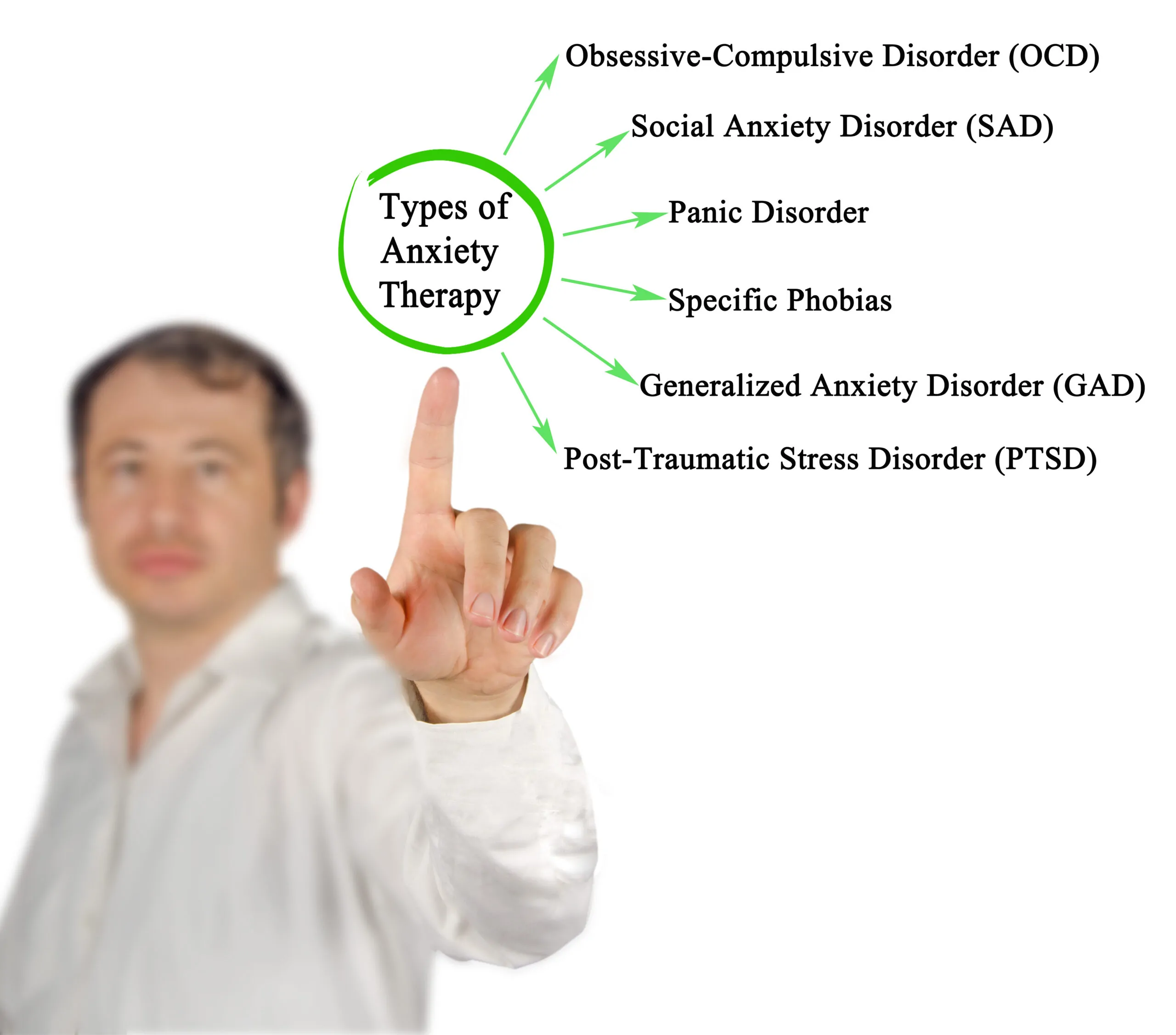
Generalized Anxiety Disorder Treatment Options
Struggling with constant worry? You’re not alone, and there are ways to feel better. Managing GAD can seem like a never-ending battle, but finding the right treatment can change everything. GAD impacts everyday life, from work to relationships, and often requires more than a single solution. The good news? There are well-studied treatment strategies and supportive therapies that may help ease symptoms and promote balance. Responses vary, and treatment plans are individualized based on each person’s needs. Let’s explore the most effective generalized anxiety disorder treatment options and how they can support your mental well-being.
Therapy for Generalized Anxiety Disorder
Psychotherapy, especially cognitive behavioral therapy (CBT), is widely recognized as a commonly recommended treatment for GAD. CBT may help individuals identify negative thought patterns and develop healthier coping strategies, but outcomes differ from person to person. CBT helps individuals identify negative thought patterns and replace them with healthier coping strategies. This process not only reduces excessive worry but also teaches practical skills for managing anxiety triggers. Sessions typically involve structured conversations with a mental health professional, focusing on understanding emotions and developing problem-solving techniques. Over time, therapy may help build confidence and resilience, supporting individuals in managing daily stressors and working toward a greater sense of control.
Medications for GAD
Medication may be considered as part of a treatment plan for those with moderate to severe GAD symptoms. Common options include SSRIs (Selective Serotonin Reuptake Inhibitors) and SNRIs (Serotonin-Norepinephrine Reuptake Inhibitors), which help balance brain chemicals linked to mood regulation. These medications often take several weeks to show results, so consistency is important. In some cases, other prescriptions may be recommended for short-term relief, such as benzodiazepines. However, these are typically used with caution due to dependency risks. These options must be prescribed and managed by a licensed healthcare provider to ensure safety and effectiveness.
Holistic and Supportive Care
At Allay Health and Wellness, we believe in a whole-person approach to mental health. Alongside traditional therapies, we offer supportive treatments to enhance overall well-being. Ketamine-assisted therapy is sometimes considered for individuals with treatment-resistant anxiety or depression. While ketamine is FDA-approved as an anesthetic, its use for anxiety or depression is considered off-label. It requires evaluation by a licensed provider and is administered only under medical supervision. IV hydration therapy is not a treatment for GAD but may help support overall wellness by replenishing fluids and nutrients. These approaches are used only under medical supervision and are intended to complement, not replace, traditional care. Our goal is to help patients feel more grounded, resilient, and empowered as they work toward managing GAD effectively.
Coping with Generalized Anxiety Disorder: Practical Tips
Living with GAD can feel exhausting, but small daily habits can make a big difference. While professional care is essential, adding simple lifestyle changes to your routine can help ease tension and improve emotional balance. These adjustments won’t replace treatment, but they can support your journey and give you a sense of control. From creating moments of calm to building healthy coping mechanisms, every step counts toward feeling more grounded and resilient. Here are some practical ways to start managing GAD symptoms and improving your overall well-being:
-
Practice Mindfulness: Meditation and deep-breathing exercises can calm your nervous system.
-
Stay Active: Regular physical activity reduces stress hormones and boosts mood.
-
Create a Routine: Consistency helps reduce uncertainty and feelings of being overwhelmed.
-
Limit Caffeine and Alcohol: Both can increase anxiety symptoms.
-
Stay Connected: Talking to friends, family, or a support group can help you feel less isolated.
These GAD self-care tips can make a significant difference when combined with professional support. Managing GAD is often a long-term process, and progress can take time. There may be setbacks, but with the right strategies and care, it’s possible to live a fulfilling life. Many people find that combining therapy, lifestyle changes, and holistic support helps them feel more in control and less burdened by worry.
Find Calm and Clarity with Allay Health and Wellness
Is constant anxiety holding you back? You don’t have to face it alone. At Allay Health and Wellness, we provide compassionate care and clinician-guided treatment options, including mental health support and, when appropriate, ketamine-assisted therapy. Our goal is to work with you to explore safe, evidence-based approaches that may support your overall well-being.
Take the first step toward relief today. Schedule your consultation and start your journey to a calmer, more confident you.
📍 Address: 11000 Prosperity Farms Rd, Suite 101, Palm Beach Gardens, FL 33410
📧 Email: [email protected]
📞 Phone: (561) 421-6444
Disclaimer :
The information provided here is for educational purposes only and is not a substitute for professional medical advice, diagnosis, or treatment. Always consult a qualified healthcare provider before starting, changing, or discontinuing any medical treatment. Ketamine is FDA-approved as an anesthetic, but its use for anxiety or depression is considered off-label. Individual results vary, and no specific outcomes are guaranteed.