
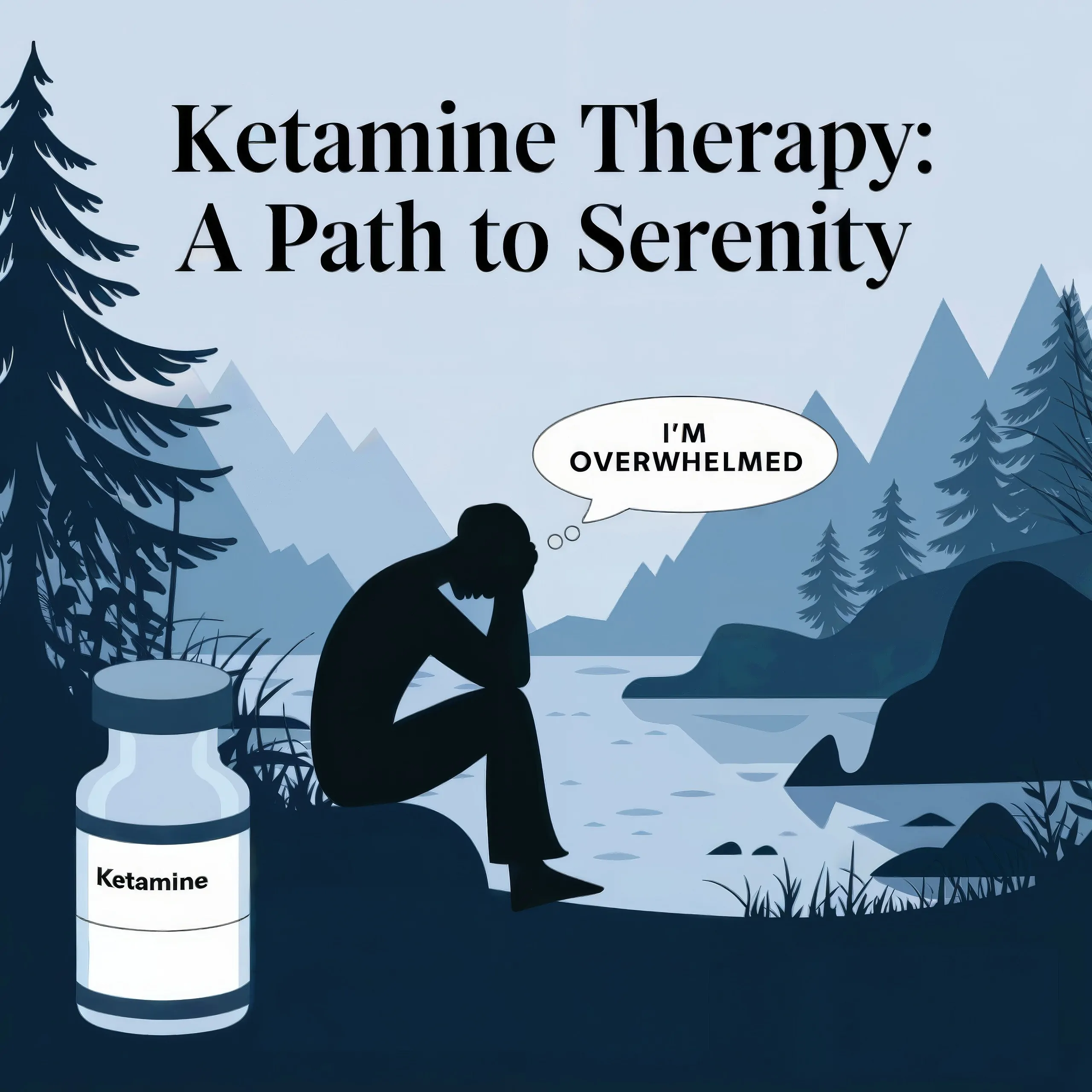
Clinician-Guided Ketamine-Assisted Therapy in North Palm Beach
At Allay Health and Wellness, care is delivered at the intersection of clinical experience and patient support. Our Ketamine-Assisted Therapy (KAT) program in North Palm Beach offers a clinician-supervised, research-informed option for certain individuals with treatment-resistant depression, anxiety, PTSD, or chronic pain. In a medically supervised setting, our team may combine low-dose ketamine infusions with psychotherapy. Responses vary, and treatment plans are individualized by a licensed clinician.
If standard treatments have not provided enough benefit, ketamine may be considered off-label as part of a comprehensive plan determined by a licensed clinician. Our protocols prioritize patient safety, clear education, and coordinated care.
What to Expect with Ketamine-Assisted Therapy
When traditional treatments have not been effective, Ketamine-Assisted Therapy may be considered off-label as an alternative under clinician supervision. At Allay Health and Wellness, our North Palm Beach clinic offers private infusion suites, appropriate monitoring, and a multidisciplinary team focused on patient safety and comfort. Each session includes medication administration and may be paired with psychotherapy facilitated by licensed therapists trained in trauma-informed care.
You’ll recline in a calming environment while low-dose ketamine is administered. Some research suggests ketamine may influence neuroplasticity and support psychotherapy; individual responses vary. Treatment plans are individualized, and follow-up care focuses on skills-building and ongoing support. Outcomes differ by person, and ketamine is typically used alongside other therapies.
How Ketamine-Assisted Therapy Works in North Palm Beach
At Allay Health and Wellness in North Palm Beach, Ketamine-Assisted Therapy is delivered under clinician supervision with a focus on safety and patient education. This approach combines ketamine infusions with integrative psychotherapy, intended to support therapeutic work. From the initial consultation to post-session integration, each step is designed to promote comfort and continuity of care. Here’s how our carefully guided process works:
-
Initial Consultation & Assessment
Begin with a free informational consultation at (561) 421‑6444 or email [email protected]. This discussion provides an overview of our services and answers general questions. If you wish to move forward, a comprehensive clinical evaluation by a licensed clinician will review your medical history, current symptoms, and prior treatments to determine whether ketamine-assisted therapy is appropriate and safe for you. -
Customized Treatment Planning
Based on your health profile and clinical evaluation, your provider will recommend an individualized plan. This may include a series of ketamine infusions over several weeks, sometimes combined with psychotherapy sessions or supportive wellness strategies. The number and frequency of infusions vary depending on individual needs and clinical judgment. -
Guided Infusion Sessions
Each infusion session generally lasts 40–60 minutes and is conducted in a monitored medical setting. Vital signs are tracked throughout the infusion by trained clinical staff. When appropriate, therapy sessions may be scheduled in conjunction with infusions to support coping strategies and emotional processing. -
Post-Session Integration
Following an infusion, you will have time to recover and discuss your experience with your provider or therapist. Integration sessions may help connect in-session experiences with practical coping skills and ongoing therapy. Some individuals may continue with follow-up sessions or maintenance infusions if clinically appropriate.
At Allay Health and Wellness, ketamine infusions are provided under medical supervision and as part of a broader treatment plan that may include psychotherapy and lifestyle support. Responses vary, and no specific results are guaranteed.
The Science Behind Ketamine-Assisted Therapy
Ketamine has distinct pharmacological effects that differ from many conventional mental health medications. While antidepressants such as SSRIs and SNRIs typically act on serotonin or norepinephrine and may take weeks to show benefit, ketamine has been studied for its impact on the brain’s glutamate system.
Research indicates that ketamine modulates NMDA receptors and may influence glutamate release, which in turn has been linked to changes in synaptic signaling and neuroplasticity. These effects are still being studied, but some findings suggest that such mechanisms could support psychotherapy and emotional processing.
Preliminary studies have also explored ketamine’s potential effects on inflammatory pathways and brain regions involved in mood regulation, such as the prefrontal cortex and hippocampus. However, responses vary widely, and ongoing research is needed to better understand its role in mental health and chronic pain care.
It is important to note that ketamine is FDA-approved as an anesthetic. Its use for depression, PTSD, anxiety, and chronic pain is considered off-label, meaning it has not received FDA approval for these conditions. At Allay Health and Wellness, ketamine is provided only under clinician supervision as part of a broader, individualized treatment plan.
Conditions Ideal for Ketamine-Assisted Therapy
At Allay Health and Wellness, Ketamine-Assisted Therapy is tailored to treat a variety of challenging and treatment-resistant conditions. Whether you’re coping with trauma, persistent anxiety, deep depression, or chronic physical pain, ketamine may be considered off-label for certain conditions under clinician supervision. Some people report symptom improvement; results vary and ongoing care is typically recommended.
Learn how this innovative therapy addresses PTSD, GAD, depression, and other debilitating issues.
Post-Traumatic Stress Disorder (PTSD)
PTSD may involve symptoms such as intrusive memories, nightmares, hypervigilance, and emotional numbness. Research suggests ketamine may influence brain pathways involved in fear and memory, potentially creating conditions that support trauma-focused therapies like EMDR or Cognitive Processing Therapy. Because responses vary, ketamine is generally considered an off-label option provided under clinician supervision and as part of a broader treatment plan.
Generalized Anxiety Disorder (GAD)
GAD is often characterized by chronic worry and physical symptoms such as muscle tension, poor sleep, and restlessness. Some studies have explored ketamine’s potential anxiolytic (anxiety-reducing) effects, though outcomes differ between individuals. In supervised settings, ketamine may be used off-label as an adjunct to therapies such as cognitive-behavioral techniques or mindfulness practices, with clinician guidance on safety and appropriateness.
Treatment-Resistant Depression
For individuals who have not responded to standard antidepressants, ketamine may be considered an off-label option under medical supervision. Research indicates ketamine may affect brain pathways related to mood regulation and support psychotherapy in certain cases. Some people report symptom improvements, while others may not. Ketamine is typically used as part of a broader care plan that may include counseling, medication management, and lifestyle strategies.
Chronic Pain Syndromes
Ketamine has been studied for potential use in chronic pain conditions such as fibromyalgia, complex regional pain syndrome (CRPS), and neuropathy. It is thought to act on the nervous system’s pain signaling pathways, but effectiveness differs widely. In medical practice, ketamine may be used off-label alongside other treatments such as physical therapy, medication management, or complementary approaches, under the guidance of a qualified clinician.
Co-Occurring Disorders
Some individuals experience overlapping conditions such as PTSD, anxiety, depression, and chronic pain. In these cases, ketamine may be considered off-label within a coordinated treatment plan that includes multiple therapeutic approaches. Outcomes differ, and ketamine is typically only one part of a comprehensive care strategy designed by licensed providers.
If you are managing trauma, anxiety, depression, or chronic pain, ketamine-assisted therapy may be discussed with a licensed clinician as a possible off-label option. At Allay Health and Wellness, our approach emphasizes safety, individualized care, and integration with other evidence-based therapies.
What to Expect in Your Ketamine-Assisted Therapy Sessions
Knowing what to expect can help reduce anxiety and prepare you for the process. At Allay Health and Wellness, each Ketamine-Assisted Therapy session takes place in a professional, supportive environment under licensed medical supervision. From preparation to recovery, our team provides clear guidance so you understand each step of care. While experiences vary, here is an overview of what typically happens during treatment:
- Pre-Infusion Preparation:
Your clinician will provide detailed medical instructions in advance, which may include fasting (for example, no solid food or dairy for several hours before) and arranging transportation home after your session. A pre-session check-in reviews your current health status and gives you the opportunity to ask questions. - Infusion Environment:
Sessions are conducted in private rooms designed to promote comfort. You may recline in a chair with soft lighting, and some patients choose calming music or an eye mask. Throughout the infusion, a licensed clinician and medical staff monitor vital signs to help ensure safety. - Therapeutic Support:
When ketamine is combined with psychotherapy, a licensed therapist may offer grounding techniques, mindfulness strategies, or reflective prompts. These approaches are intended to support your therapeutic process, though experiences differ from person to person. - Post-Session Observation:
After the 40–60 minute infusion, you will remain in a recovery area for a short period—often 30–45 minutes—until common side effects such as dizziness or nausea improve. Written aftercare instructions are provided, and follow-up scheduling is confirmed before you leave. - Integration & Follow-Up:
Your care plan may include debriefing sessions to reflect on your experience and apply coping strategies. Some individuals may be recommended for additional infusions or ongoing therapy, depending on their needs and clinician guidance. Responses vary, and ketamine is generally used as part of a broader treatment plan.
By clarifying each stage of the process, Allay Health and Wellness aims to make your Ketamine-Assisted Therapy sessions structured, professional, and supportive.

Safety and Side Effects of Ketamine-Assisted Therapy
At Allay Health and Wellness, patient safety is a priority. Our Ketamine-Assisted Therapy program follows structured protocols that include pre-treatment screening, continuous monitoring during infusions, and clear aftercare instructions. While ketamine is FDA-approved as an anesthetic, its use for mental health and chronic pain conditions is off-label. Eligibility, dosing, and monitoring are determined by a licensed clinician.
What you can expect:
-
Licensed Oversight
Infusions are prescribed and supervised by a licensed clinician (such as a board-certified physician), with nursing staff trained in advanced life support. -
Continuous Monitoring
Vital signs—including blood pressure, heart rate, and oxygen saturation—are tracked before, during, and after each infusion to help ensure safety. -
Sterile Environment & Preparedness
Infusion suites are maintained to medical standards. Staff are trained and equipped to respond promptly in the rare event of an adverse reaction. -
Possible Side Effects
Some people experience short-term effects such as mild dissociation, dizziness, or nausea. These usually improve within a few hours. Supportive measures such as hydration, reclined rest, or anti-nausea medication may be offered as needed. -
Misuse Potential
Ketamine carries a risk of misuse. In a clinical setting with measured dosing and on-site supervision, risks are managed and patients do not take ketamine home.
By combining medical supervision with structured protocols, our goal is to provide a safe and professional environment for those considering Ketamine-Assisted Therapy. Responses vary, and no outcomes are guaranteed.
Integrative Approaches: Combining Ketamine-Assisted Therapy with Other Modalities
At Allay Health and Wellness, we recognize that care is most effective when it supports the whole person. Ketamine-Assisted Therapy may be combined with other evidence-based or complementary approaches, depending on individual needs and clinician recommendations. These additional services are designed to provide broader support for overall well-being:
-
Trauma-Focused Psychotherapy: Approaches such as EMDR, Prolonged Exposure, or Cognitive Processing Therapy may be offered to help process traumatic memories in a structured, evidence-based way.
-
Mind-Body Practices: Techniques like yoga, meditation, or biofeedback can help regulate the nervous system and promote stress management alongside medical treatment.
-
Nutritional Counseling: Guidance on balanced, anti-inflammatory diets and supplementation may support general brain and body health.
-
Physical Therapy & Acupuncture: These approaches are sometimes incorporated into individualized pain-management plans under clinician guidance.
-
Peer Support Groups: Participation in group discussions may foster community connection, shared learning, and accountability.
By offering these complementary services, our goal is to help patients build resilience and strengthen coping skills as part of a comprehensive, clinician-guided treatment plan.
Choosing Allay Health and Wellness for Ketamine-Assisted Therapy
When it comes to mental health care, having a qualified and supportive team matters. At Allay Health and Wellness in North Palm Beach, our Ketamine-Assisted Therapy program is provided under licensed clinical supervision, with a focus on patient safety, individualized care, and clear communication. Here’s what you can expect when working with us:
-
Expertise & Credentials: Infusions are prescribed and supervised by licensed clinicians (for example, board-certified physicians) with training and experience in ketamine administration.
-
Patient-Centered Environment: Private infusion suites and individualized care plans are designed to support comfort, safety, and respect throughout treatment.
-
Research-Informed Protocols: Care plans are informed by published studies and professional standards. Ketamine is FDA-approved as an anesthetic, and its use for mental health or chronic pain conditions is considered off-label.
-
Holistic Support Options: Our team may integrate psychotherapy, nutrition counseling, or other supportive approaches to complement ketamine therapy, based on each individual’s needs.
-
Transparent Communication: We provide clear information about pricing, insurance limitations, and available self-pay or financing options so you can make informed decisions.
At Allay Health and Wellness, our goal is to provide safe, supervised, and compassionate care tailored to each individual. Responses to ketamine vary, and no specific outcomes can be guaranteed.
Insurance, Cost, and Accessibility for Ketamine-Assisted Therapy
At Allay Health and Wellness, we understand that cost and coverage are important considerations when exploring treatment options. Because ketamine is FDA-approved as an anesthetic but used off-label for mental health and chronic pain conditions, insurance coverage is often limited and varies by plan and individual circumstances. Our team can assist with benefit checks and provide clear information so you understand potential coverage and out-of-pocket responsibilities.
For patients paying directly, we provide transparent, upfront pricing that outlines services such as the consultation, infusion sessions, monitoring, and follow-up care. Self-pay options, income-based adjustments, and financing plans with flexible monthly payments may be available.
To improve access, telehealth consultations are offered for certain non-infusion visits, such as assessments and follow-up appointments, when clinically appropriate. Our clinic is located at 11000 Prosperity Farms Rd, Suite 101, Palm Beach Gardens, FL 33410, and is convenient for residents throughout North Palm Beach.
At Allay Health and Wellness, our goal is to make the process clear and accessible so patients can make informed decisions about whether ketamine-assisted therapy is right for them.
Frequently Asked Questions (FAQs) about Ketamine-Assisted Therapy in North Palm Beach
-
What is Ketamine-Assisted Therapy?
Ketamine-Assisted Therapy (KAT) may involve low-dose ketamine infusions administered in a clinical setting, sometimes combined with psychotherapy. Its use for depression, anxiety, PTSD, and chronic pain is considered off-label, meaning it has not been specifically approved by the FDA for these conditions. Suitability and response vary for each individual. -
Is Ketamine-Assisted Therapy safe?
Safety depends on individual health factors. When provided under licensed medical supervision with continuous monitoring, ketamine infusions can be managed safely for many people. Common side effects such as dissociation, dizziness, or nausea are usually temporary and addressed on-site by clinical staff. -
How soon will I notice results?
Response times vary widely. Some individuals report changes in mood or pain symptoms after beginning treatment, while others may need several sessions before noticing any effect. Not everyone experiences improvement, and no outcomes are guaranteed. -
How do I prepare for a Ketamine-Assisted Therapy session?
Your clinician will provide detailed instructions. Typically, patients are asked to avoid solid food or dairy for about six hours before treatment, arrange transportation home afterward, and review all current medications with their provider prior to the infusion. -
What conditions can Ketamine-Assisted Therapy treat?
Ketamine has been studied for use in individuals with treatment-resistant depression, generalized anxiety disorder, PTSD, and certain chronic pain syndromes. These uses are considered off-label, and eligibility is determined by a licensed clinician after evaluation. -
How many sessions will I need?
Treatment schedules differ. Some people may undergo several infusions over a few weeks, with maintenance sessions considered afterward. Your clinician will recommend a protocol tailored to your needs and adjust based on your response. -
Is Ketamine-Assisted Therapy covered by insurance?
Coverage and reimbursement vary by plan and by individual circumstances. Because ketamine for mental-health and most pain conditions is off-label, insurance coverage is often limited. Our team can assist with benefit checks and discuss self-pay or financing options. -
Will I feel “high” during treatment?
Some individuals experience dissociation or dream-like sensations during the infusion. You remain monitored by clinical staff throughout. These effects typically fade within a few hours, though the experience is different for everyone. -
Can I combine Ketamine-Assisted Therapy with other treatments?
Yes, many individuals continue psychotherapy, mindfulness practices, medication management, or physical therapies while receiving ketamine. Coordination with your clinician helps ensure treatments work together safely. -
How do I start Ketamine-Assisted Therapy at Allay Health and Wellness?
You may begin with a free informational consultation by contacting us at (561) 421‑6444 or [email protected] . A subsequent clinical evaluation will determine whether ketamine is an appropriate option for you.
Take the Next Step Toward Care and Support
If you are living with treatment-resistant depression, anxiety, PTSD, or chronic pain, you may want to explore whether Ketamine-Assisted Therapy is an appropriate option for you. At Allay Health and Wellness in North Palm Beach, our licensed clinicians provide ketamine therapy in a structured, supervised environment as part of an individualized care plan.
Schedule a free informational consultation to learn more about costs, safety, and whether this therapy may be suitable for your needs.
Address: 11000 Prosperity Farms Rd, Suite 101, Palm Beach Gardens, FL 33410
Phone: (561) 421‑6444
Email: [email protected]
Your next step begins with a conversation, reach out today to discuss your options with our team.
Disclaimer:
The information on this page is for educational purposes only and is not a substitute for professional medical advice, diagnosis, or treatment. Always seek the advice of a qualified healthcare provider with any questions about a medical condition or treatment. Ketamine is FDA-approved as an anesthetic. Its use for depression, PTSD, anxiety, and chronic pain is considered off-label, meaning it has not been specifically approved by the FDA for these conditions. Treatment eligibility, safety, and outcomes vary for each individual.