

Exploring Ketamine’s Healing Potential: 3 Ways It Works
Ketamine, once primarily known as an anesthetic, has drawn growing research interest for its potential role in mental health and pain management. When administered in a controlled clinical setting, ketamine has been studied as an off-label treatment for conditions such as depression, anxiety, PTSD, and certain chronic pain disorders. Its effects appear to relate to unique mechanisms in the brain that differ from traditional therapies. At Allay Health and Wellness, we provide ketamine infusions under medical supervision as part of personalized treatment plans.
In this article, we will explore three distinct mechanisms by which ketamine promotes healing, providing insight into how this treatment is being studied for its potential role in supporting individuals with certain mental health and chronic pain conditions.
Understanding How Ketamine Heals
Ketamine is a dissociative anesthetic that has been used for decades in both human and veterinary medicine. While its primary use is as an anesthetic in surgery, researchers have discovered that ketamine can have significant therapeutic effects when used in smaller doses, particularly for mental health conditions like depression, anxiety, and PTSD.
Unlike traditional antidepressants, ketamine works in ways that are completely different from SSRIs (Selective Serotonin Reuptake Inhibitors) or other common medications. Some studies suggest that ketamine may act more quickly than certain traditional medications, though responses vary and not everyone experiences the same results. More research is needed to understand the duration and long-term effects.
Mechanism 1: NMDA Receptor Blockade
One of the primary mechanisms by which ketamine promotes healing is its interaction with the NMDA receptors in the brain. These receptors are involved in the transmission of glutamate, a neurotransmitter that plays a critical role in mood regulation, memory, and learning.
Ketamine works by blocking the NMDA receptor, which is known to regulate synaptic plasticity. Synaptic plasticity refers to the ability of the brain’s synapses (connections between neurons) to strengthen or weaken over time, based on activity levels. This process is crucial for learning, memory, and the brain’s response to stimuli.
In conditions like depression, NMDA receptors are often overactive, leading to an imbalance in brain chemistry. Research suggests ketamine’s interaction with these receptors may result in changes in glutamate activity, which in turn could activate other receptors, such as AMPA receptors.
This process may help improve mood and cognition in some individuals. Unlike traditional antidepressants that primarily target serotonin, ketamine’s effects involve the glutamate system. While some people report rapid changes, responses differ, and ketamine’s long-term role in treating depression, anxiety, and PTSD remains under study.
Mechanism 2: Increased Brain-Derived Neurotrophic Factor (BDNF)
Another critical mechanism behind ketamine’s healing properties involves its ability to increase levels of Brain-Derived Neurotrophic Factor (BDNF). BDNF is a protein that plays a vital role in the survival, development, and function of neurons in the brain.
In patients with mental health disorders like depression, anxiety, and PTSD, BDNF levels are often found to be lower than normal. This reduction in BDNF can contribute to cognitive decline, memory loss, and emotional distress. The ability of ketamine to increase BDNF levels has been shown to promote neuroplasticity, which refers to the brain’s ability to form new neural connections and reorganize itself.
Research suggests ketamine may increase BDNF levels, which are important for brain function and neuroplasticity. Neuroplasticity plays a role in how the brain adapts and forms new connections, which may support emotional and cognitive processes. However, outcomes vary, and more research is needed to confirm these effects.
Mechanism 3: The Role of Ketamine in Inflammation Reduction
Ketamine’s ability to reduce inflammation in the brain and body is another important mechanism in its healing process. Chronic inflammation has been linked to a wide range of mental health conditions, including depression, anxiety, and PTSD, as well as chronic pain conditions.
Inflammation can interfere with normal brain function by disrupting the balance of neurotransmitters and impairing synaptic plasticity. This disruption is often seen in individuals with treatment-resistant depression or PTSD, where traditional medications do not seem to provide relief.
Some research indicates ketamine may influence inflammatory pathways in the brain and body. Since inflammation is linked to certain mental health and pain conditions, this effect may contribute to its potential benefits. More evidence is required to fully understand how ketamine impacts inflammation and related symptoms.
In addition to its effects on brain inflammation, ketamine may also help reduce systemic inflammation throughout the body. This is particularly beneficial for individuals with chronic pain conditions, as inflammation is often a key factor in pain sensitivity and intensity. Ketamine’s ability to reduce inflammation not only supports mental health but can also provide pain relief for conditions like migraines, and complex regional pain syndrome (CRPS).
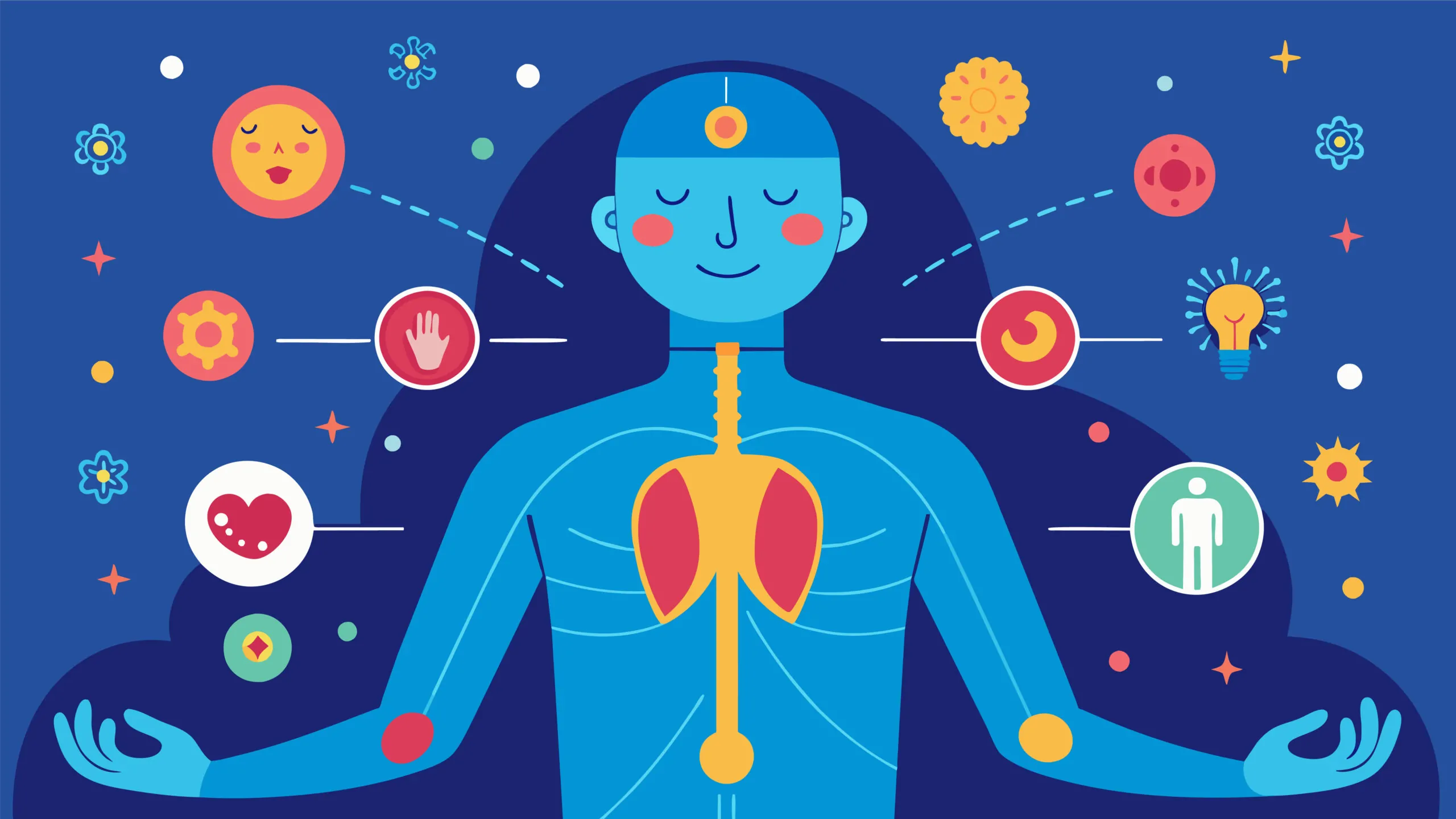
Potential Benefits of Ketamine in Mental Health (Under Study)
Given these distinct mechanisms, it is clear why ketamine has become such an exciting treatment option for mental health conditions. Here are some of the key benefits that patients may experience when undergoing ketamine therapy:
1. Potential for Faster-Acting Effect
Some individuals in studies have reported improvements in mood within hours of treatment. However, results differ widely, and not everyone responds in the same way.
2. Off-Label Use for Treatment-Resistant Conditions
Ketamine has been studied as an off-label option for individuals with treatment-resistant depression and other conditions. It may be considered when conventional approaches have not provided adequate relief.
3. Research on Duration of Benefits
While some patients report lasting improvements after a series of treatments, long-term effects remain under active study, and outcomes vary by individual.
4. Possible Side Effects
When administered in a controlled medical setting, ketamine can cause temporary side effects such as dissociation, dizziness, or nausea. These usually resolve shortly after treatment, but risks should always be reviewed with a healthcare provider.
Ketamine for Chronic Pain Management
Ketamine has been studied as an off-label option for certain chronic pain conditions such as CRPS, and migraines. It may affect pain signaling pathways in the brain and body. While some individuals report relief, results vary, and research is ongoing. Ketamine is not considered a first-line therapy but may be part of a broader pain management plan under medical supervision.
Is Ketamine Right for You?
If you are struggling with treatment-resistant depression, anxiety, PTSD, or chronic pain, ketamine may be considered as part of a treatment plan for individuals who have not found relief with traditional therapies. Its effects involve several mechanisms currently being studied, and it should only be administered under the guidance of a licensed clinician.
At Allay Health and Wellness, we specialize in providing ketamine infusions in a safe and supportive environment. Our experienced medical professionals will evaluate whether ketamine therapy may be appropriate for your condition and guide you through a personalized plan if indicated. Treatment eligibility and outcomes differ for each individual.
Contact Us for Ketamine Therapy
If you’re ready to explore the potential benefits of ketamine therapy, reach out to us at Allay Health and Wellness today.
Address:
11000 Prosperity Farms Rd, Suite 101, Palm Beach Gardens, FL 33410
Connect:
Phone: (561) 421-6444
Email: [email protected]
Contact us today to schedule a consultation.
Disclaimer:
The information provided is for educational purposes only and is not a substitute for professional medical advice, diagnosis, or treatment. Ketamine is FDA-approved as an anesthetic, but its use for depression, anxiety, PTSD, OCD, and chronic pain is considered off-label. Treatment responses vary, and long-term effects are still being studied. Always consult a qualified healthcare provider to determine if this therapy is appropriate for you.