The Link Between Depression and Chronic Pain: What Florida Patients Need to Know
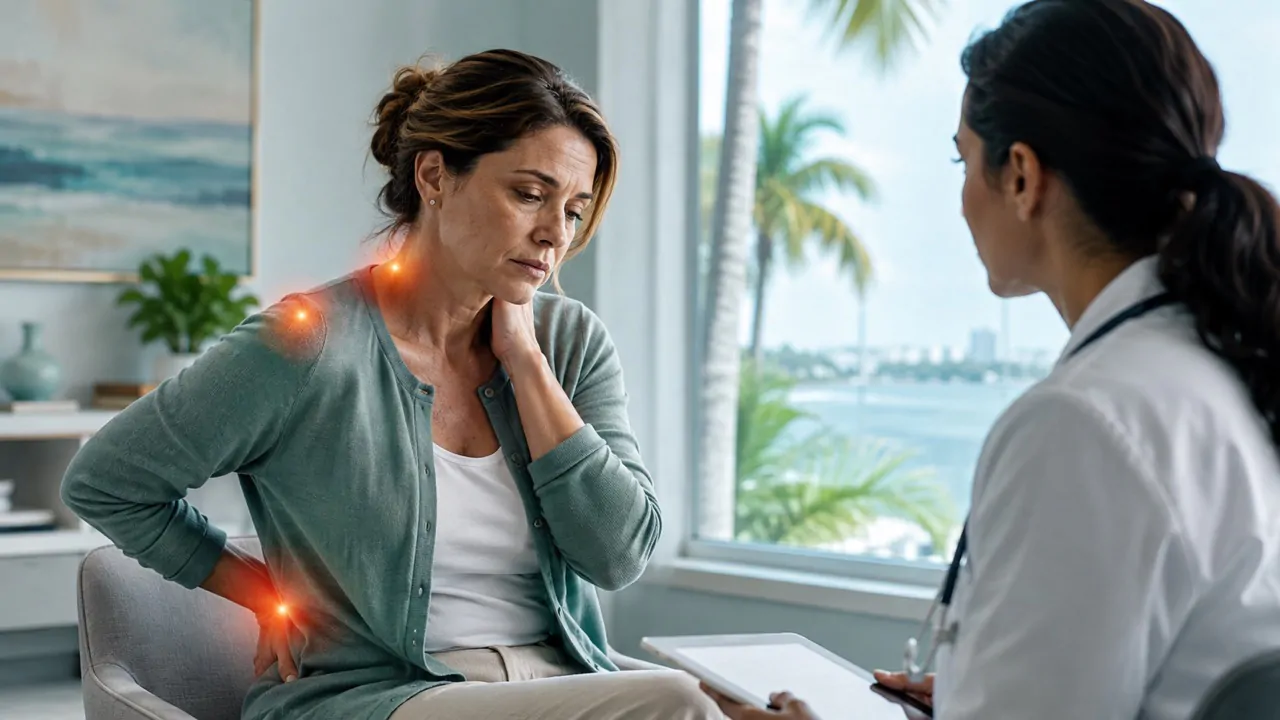
Living with depression and chronic pain can create a complex clinical picture in which physical symptoms and emotional health continually influence one another. Persistent pain can disrupt sleep, limit mobility, reduce independence, interfere with work and relationships, and contribute to emotional distress. At the same time, depression can affect pain perception, motivation, activity levels, sleep quality, and a person’s ability to participate consistently in treatment. For some patients, addressing only one condition may leave important parts of the overall problem untreated.
The relationship between depression and chronic pain is therefore more than two separate diagnoses occurring at the same time. Research has identified overlapping neurological and psychological processes involved in mood regulation and pain processing, helping clinicians understand why these conditions frequently coexist. Recognizing that connection can support a more comprehensive approach to evaluation and care. At Allay Health & Wellness, treatment decisions begin with an individualized assessment of symptoms, medical history, previous treatments, current medications, and each patient’s broader clinical needs.
They Share More Biology Than Most People Realize
Depression and chronic pain activate overlapping brain regions, involve overlapping neurotransmitter systems, and disrupt overlapping physiological processes. The prefrontal cortex, anterior cingulate cortex, and amygdala are involved in both the emotional processing of depression and the central modulation of pain. Serotonin and norepinephrine, the primary targets of many antidepressant medications, also play important roles in the descending pain inhibitory pathways that regulate how much pain the body generates in response to any given signal.
This shared biology is why antidepressants are used as first-line treatments for certain chronic pain conditions, including fibromyalgia, neuropathic pain, and chronic back pain, long before anyone identified them as having dual antidepressant and analgesic effects. The medications were working on both problems at once because the same underlying systems drive both conditions, not because of coincidence.
The National Institute of Mental Health confirms that chronic pain and mood disorders are among the most common comorbid conditions in adult populations, and that their co-occurrence predicts poorer treatment outcomes for each.
How Each One Makes the Other Worse
Depression and chronic pain are not just comorbid. They amplify each other through a set of specific mechanisms that, once understood, explain why so many patients feel stuck despite treatment.
- Pain drives depression. Chronic pain disrupts sleep architecture in ways that destabilize mood regulation over time. It limits physical activity and social participation, which reduces the behavioral engagement that protects against depression. It produces social withdrawal, which removes the relational support that buffers depressive episodes. It carries a constant cognitive load, which depletes the mental resources that help people manage emotional difficulty. And it often arrives alongside a grief response as patients mourn the activities, independence, and identity the pain has taken from them.
- Depression amplifies pain. This is the part that patients often do not expect and that their providers sometimes miss. Depression reduces activity in the descending pain inhibitory pathways, meaning the brain’s own system for dampening pain signals works less effectively. It increases central sensitization, the state in which the central nervous system becomes amplified in its processing of pain. And it drives catastrophizing, a cognitive pattern in which pain is interpreted as uncontrollable and permanent, which is itself an independent predictor of greater pain intensity and disability.
The result is a cycle. Pain worsens depression. Depression amplifies pain. Treating only one without addressing the other rarely produces durable results. This is a documented clinical pattern, and it is why our mental health services at Allay are offered alongside our chronic pain program rather than as a separate track.
Why the Glutamate System Matters for Both
Most conversations about depression and chronic pain focus on serotonin and norepinephrine, because those are the systems most antidepressants and many pain medications target. But there is a third system that is increasingly recognized as relevant to both conditions, and it is the one that has generated the most clinical interest in recent years.
The glutamate system, specifically NMDA receptor-mediated signaling, is involved in the neurobiology of both depression and the central sensitization process that drives chronic pain, often simultaneously in the same patient. This is the mechanism through which ketamine produces its clinical effects, and it is why off-label IV ketamine and Spravato (esketamine) have been studied for both conditions.
For patients whose depression and chronic pain have not responded adequately to treatments targeting serotonin and norepinephrine, the glutamate pathway represents a genuinely different mechanistic option. This is a different system, not a variation of what has already failed.
The Centers for Disease Control and Prevention documents that chronic pain affects a substantial portion of US adults and that psychiatric comorbidity, particularly depression, is among the strongest predictors of both severity and disability.
Why Treating One Without the Other Often Fails
A patient who receives excellent pain management but whose depression goes unaddressed will experience reduced pain inhibition, persistent central sensitization, and continued catastrophizing, all of which limit what the pain treatment can achieve. A patient whose depression is well managed but whose pain is not controlled will continue experiencing the sleep disruption, functional loss, and psychological burden that maintain the depressive state.
The clinical evidence is consistent: patients with depression and chronic pain treated for both simultaneously have better outcomes than those treated for either alone. This is not a niche finding. It is a pattern across multiple conditions including fibromyalgia, neuropathic pain, and treatment-resistant depression where pain is a complicating factor.
At Allay Health and Wellness, patients with both depression and chronic pain are evaluated for both at the same intake. We do not split the chart and send you to two separate providers who may never communicate. Daniel Cartledge, M.D., our clinical consultant, is double board-certified in pain management and physical medicine and rehabilitation. His expertise works alongside our psychiatric services, including our treatment-resistant depression program and our ketamine therapy for depression, specifically because these presentations travel together.
What a Coordinated Evaluation Looks Like
If you come to Allay with depression and chronic pain, your evaluation covers both simultaneously. We want to know which came first, how each affects the other in your specific case, what treatments have been tried for each, and what the interaction between your pain and your mood looks like day to day.
That information determines what treatment plan makes sense for your situation, whether that is a focus on the psychiatric component, the pain component, or both addressed simultaneously. The goal is a plan that reflects how depression and chronic pain actually interact in your body and your daily life, not a plan built for one condition that happens to note the other in a chart field.
If you are in South Florida and looking for a clinical team that considers chronic pain and depression as part of the same broader health picture, contact us today to start the conversation with Allay Health & Wellness.
Address: 11000 Prosperity Farms Rd, Suite 101, Palm Beach Gardens, FL 33410
Email: [email protected]
Phone: (561) 421-6444
Medical Disclaimer: This content is for educational purposes only. IV ketamine and Spravato are not FDA-approved for all conditions described. All treatment decisions require evaluation by a licensed clinician. Allay Health and Wellness treats adults 18 and older.