
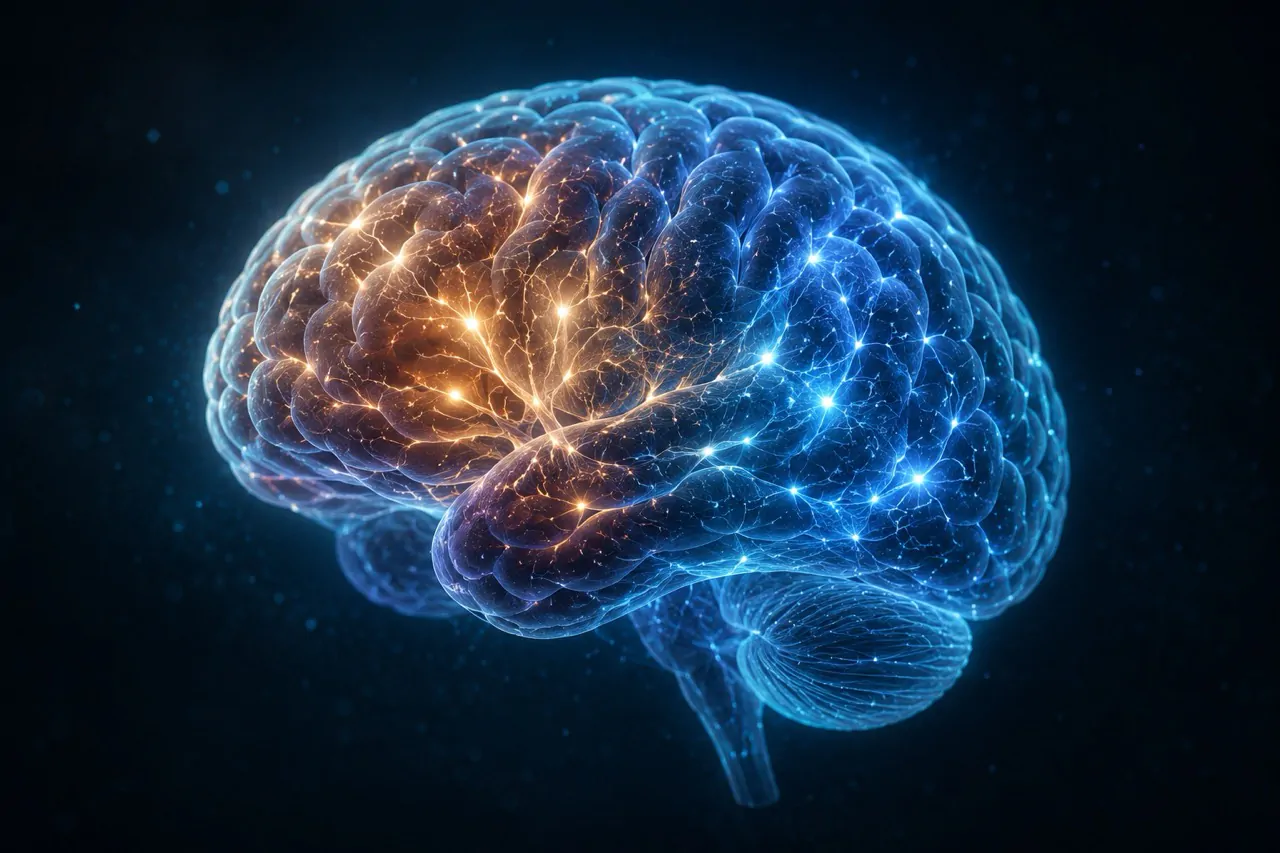
The Neurobiology of Healing: How Modern Therapy Reshapes the PTSD Brain
PTSD can change how a person thinks, reacts, and moves through the world every single day. Sleep becomes difficult. Small triggers can feel overwhelming. Relationships and daily routines are affected in ways that are hard to explain. Many people are told to simply push through, but PTSD is not just an emotional reaction.
Trauma can measurably affect how the brain processes stress, stores memories, and regulates emotions. The encouraging news is that many patients may experience meaningful improvement with appropriate clinical support. In this blog, you will learn how trauma affects the brain and how modern supervised therapies may support meaningful recovery.
How PTSD Affects the Brain
Trauma does not stay in the past the way people expect it to. It can become embedded in the brain’s stress response systems. When PTSD develops, the brain may shift into a state of ongoing alertness that is difficult to turn off. Emotional regulation becomes harder. Memory processing can be disrupted.
Reactions that once protected you in dangerous situations may continue firing in everyday, safe environments. These changes are biological, not character flaws. PTSD brain healing begins with recognizing that the brain itself has been affected and that clinical support can play a meaningful role in recovery.
The Brain’s Ability to Adapt and Heal
One of the most important things to understand about the brain is its capacity to change. This is called neuroplasticity. It means the brain can form new connections, adjust existing pathways, and adapt over time with the right support. Trauma can disrupt these pathways, but structured therapy and supervised treatment may help rebuild them.
PTSD brain healing is not about erasing the past. It is about supporting the brain in developing healthier responses over time. With consistent care from licensed professionals, meaningful recovery is a goal that many patients can work toward.
Key Brain Areas Involved in PTSD
PTSD does not affect just one part of the brain. It involves a network of regions that work together to process fear, memory, and emotion. When trauma disrupts this network, the effects ripple across multiple systems at once. Here is a closer look at the key areas involved.
The Amygdala and Heightened Fear Responses
The amygdala acts as the brain’s alarm system. In PTSD, it can become overactive, triggering anxiety and hypervigilance even in situations that are not genuinely threatening. This overactivity is a core feature of trauma response.
The Hippocampus and Trauma Memories
The hippocampus helps organize and store memories. PTSD can disrupt this process, making traumatic memories feel fragmented, intrusive, or emotionally raw rather than properly filed as past events.
The Prefrontal Cortex and Emotional Regulation
The prefrontal cortex supports rational thinking, focus, and emotional control. Chronic stress from trauma can reduce its effectiveness, making it harder to manage reactions, make decisions, or feel emotionally grounded.
Stress Hormones and the Nervous System
PTSD can dysregulate the body’s stress hormone system. Elevated cortisol and adrenaline levels over time may contribute to sleep disruption, mood instability, fatigue, and broader physical health effects.
How Modern Therapy Supports PTSD Brain Healing
Clinically supervised therapy aims to work with the brain rather than simply manage its symptoms. Over time, structured treatment may help patients develop stronger emotional regulation skills and healthier stress responses. Therapy approaches designed for trauma can support the processing of difficult memories in a safer and more controlled way.
As patients engage consistently with supervised care, the brain has an opportunity to build new patterns of response. PTSD brain healing through therapy is not instant, but it is a gradual and meaningful process guided by licensed professionals who monitor progress at every stage.
Treatment Approaches That May Support Recovery
No single treatment works for every patient, but several clinically recognized approaches may support PTSD recovery when guided by a licensed provider. Here are some options that providers may discuss based on individual evaluation.
- Trauma-focused psychotherapy approaches designed to help process and reframe traumatic experiences
- Ketamine-assisted therapy administered under medical supervision for eligible patients after evaluation
- Cognitive behavioral therapy techniques that target unhelpful thought patterns connected to trauma
- Mindfulness and stress management strategies to support nervous system regulation over time
- Ongoing psychiatric and medical support to monitor progress and adjust care as needed
Ketamine-Assisted Therapy and PTSD Care
Ketamine-assisted therapy is one option that licensed providers may consider for certain patients as part of a broader PTSD care plan. It is administered in a controlled clinical setting under direct medical supervision at every session. This therapy is not a first-line treatment and is not appropriate for every patient.
Eligibility is determined through a thorough individualized evaluation conducted by a licensed healthcare provider. For some patients who have not responded adequately to standard treatments, it may be discussed as a clinically appropriate next step. All decisions are based on safety, medical history, and a careful review of the patient’s individual clinical needs.
Signs Trauma May Be Affecting Daily Brain Function
Trauma does not always announce itself loudly. Sometimes it shows up quietly in everyday moments that feel harder than they should. Here are some signs worth discussing with a licensed provider.
- Difficulty concentrating or staying present during conversations, work, or routine tasks
- Persistent anxiety or hypervigilance that makes it hard to feel safe or relaxed
- Sleep disruption and recurring nightmares that leave you exhausted and on edge
- Emotional numbness or disconnection from people, activities, or your own feelings
- Strong reactions to reminders of past trauma that feel sudden and difficult to control
Why Personalized PTSD Care Matters
Trauma affects every person differently, which is why a one-size-fits-all approach rarely produces the best outcomes. Two patients with the same diagnosis may have very different symptom profiles, histories, and responses to treatment. Personalized care means that your provider takes time to understand your specific situation before making any recommendations.
Treatment plans are built around your needs and adjusted as your progress evolves. Ongoing evaluation ensures that what you receive continues to match where you are in your recovery. Individualized care may better support each person’s unique experience and treatment needs.
What Patients Can Expect During a PTSD Evaluation
A thorough evaluation is the foundation of any effective PTSD treatment plan. Here is what the process generally looks like at a specialized clinic. Your provider will begin with a complete review of your medical and mental health history. They will discuss your current symptoms, how long you have experienced them, and how they affect daily life.
Previous therapies and medications will be reviewed to understand what has and has not worked. From there, a personalized care approach is developed collaboratively with your input and preferences in mind. Every recommendation is based on your individual clinical profile, not a general protocol applied to all patients.
PTSD Treatment Near West Palm Beach and Palm Beach Gardens
Residents of West Palm Beach and surrounding South Florida communities have access to specialized mental health care just a short drive away. Allay Health and Wellness is located in Palm Beach Gardens, approximately 15 minutes from West Palm Beach via major local roads. The clinic provides medically supervised evaluations and treatment options in a calm, professional environment.
Choosing a specialized provider close to home makes consistent attendance more manageable, which is an important part of any ongoing care plan. Accessible, personalized PTSD brain healing support is available nearby for those ready to take the next step.
Schedule a Consultation to Learn About PTSD Treatment Options
If PTSD symptoms are affecting your daily life or relationships, professional support is available and worth exploring. At Allay Health and Wellness, our experienced team provides personalized evaluations and compassionate care for patients seeking real answers. Reach out today to schedule your consultation and take a meaningful step toward support.
Address: 11000 Prosperity Farms Rd, Suite 101, Palm Beach Gardens, FL 33410
Phone: (561) 421-6444
Email: [email protected]
Disclaimer: This content is for educational purposes only and is not a substitute for professional medical advice. Treatment decisions require evaluation by a licensed healthcare provider. Results and eligibility vary by individual. Always consult a qualified healthcare professional before starting or changing any treatment plan.