
Trauma-Informed Care in South Florida: What WPB Veterans Need to Know
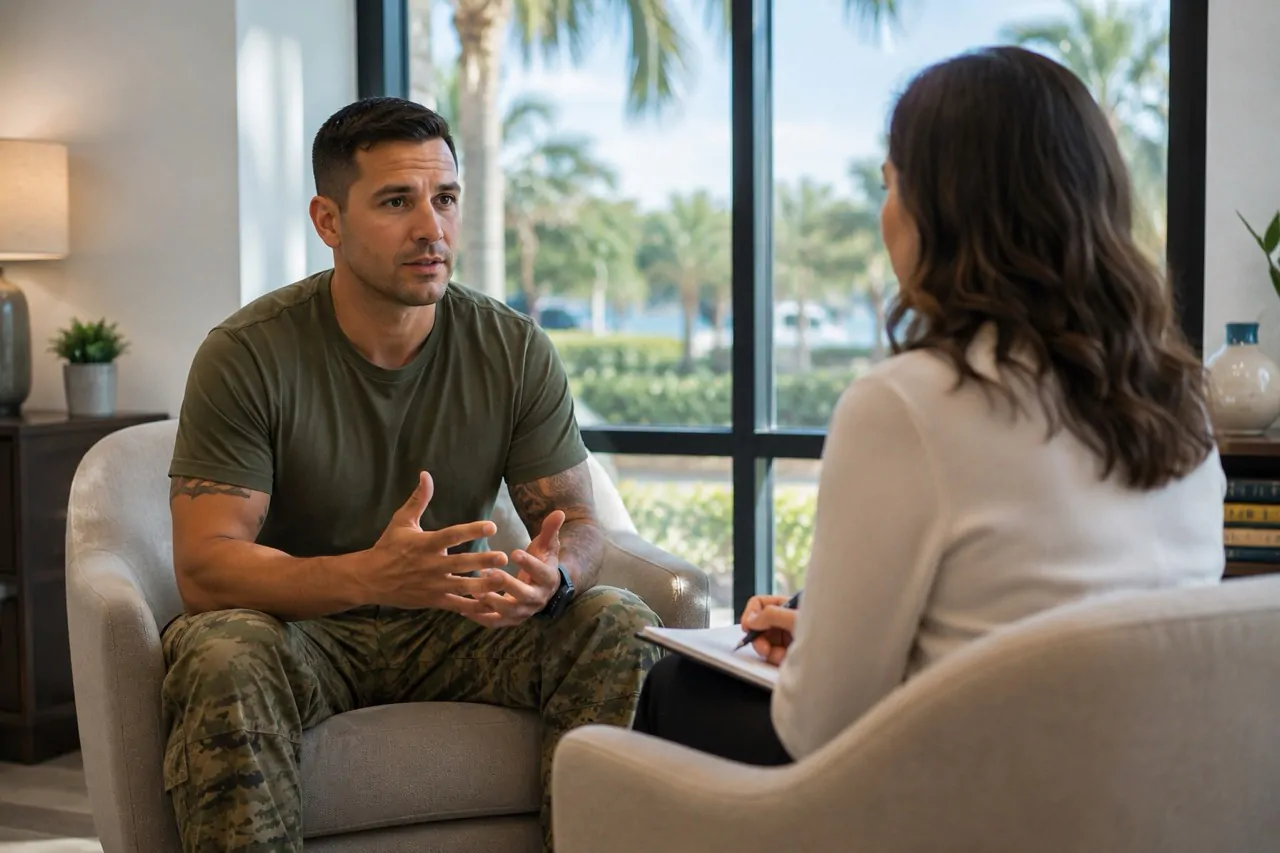
Many veterans in West Palm Beach return home carrying wounds that no one can see. Daily life continues, but the weight of military experiences does not simply disappear with time. Anxiety, sleep disruption, emotional distance, and hypervigilance can follow veterans long after service ends. Too often, these struggles are carried in silence without proper support.
Trauma-informed care is an approach that centers safety, trust, and personalized treatment for people with trauma histories. For veterans in South Florida, knowing this option exists and what it involves can be the first meaningful step toward finding the right mental health care.
What Is Trauma-Informed Care?
Trauma-informed care is a clinical approach that recognizes how deeply trauma can shape a person’s mental and physical health. Rather than focusing only on symptoms, it looks at the broader context of a patient’s experiences. This approach prioritizes emotional safety, mutual respect, and individualized care planning.
Providers who use trauma-informed care WPB practices listen carefully and move at a pace that feels manageable for each patient. The goal is to build a therapeutic environment where veterans feel heard and supported rather than judged or rushed. It is a patient-centered framework that adjusts to the person, not the other way around.
The Mental Health Reality for Veterans in the WPB Area
Veterans in West Palm Beach and surrounding South Florida communities face unique mental health challenges. Military service often involves prolonged exposure to high-stress environments, trauma, and rapid life transitions. Returning to civilian life brings its own set of pressures that can amplify existing emotional struggles.
For many, the shift feels isolating without adequate professional support. Trauma-informed care WPB providers understand this context and tailor their approach to account for it. Localized care from providers familiar with veteran experiences may help patients feel more understood and supported.
Signs a Veteran May Benefit From Trauma-Informed Care
Many veterans wait years before speaking with a professional about what they are experiencing. Recognizing the signs early can help someone take an important first step toward support.
- Persistent anxiety or hypervigilance that makes it difficult to feel calm or safe in everyday situations
- Difficulty sleeping or recurring nightmares that disrupt rest and leave you feeling exhausted
- Emotional numbness or withdrawal from loved ones, friends, or activities you once valued
- Flashbacks or intrusive memories of past events that surface unexpectedly and feel overwhelming
- Trouble concentrating at work or completing routine daily tasks with focus and consistency
- Increased stress, irritability, or emotional overwhelm that feels difficult to manage on your own
What Makes Trauma-Informed Mental Health Care Different?
Traditional mental health treatment focuses primarily on diagnosing and managing symptoms. Trauma-informed care goes a step further by considering the full story behind those symptoms. Providers trained in this approach communicate differently. They ask questions thoughtfully, explain each step of the process, and involve the patient in every decision.
Trust is not assumed. It is built over time through consistent, respectful interaction. Additionally, care plans are designed collaboratively rather than handed down without input. For veterans who value autonomy and clear communication, this approach often feels more supportive and collaborative than some traditional clinical experiences.
What Veterans Can Expect During a Trauma-Informed Evaluation
Your first evaluation sets the tone for everything that follows. At a trauma-informed clinic, that experience is designed to feel supportive, not clinical or intimidating. Here is what the process generally involves for veterans seeking care.
Personalized Mental Health Assessment
Providers take time to review your symptoms, health history, and personal experiences carefully. Nothing is rushed. The goal is a complete and accurate picture of your needs before any recommendations are made.
A Focus on Emotional Safety and Trust
Every interaction is guided by calm, respectful communication. Providers work collaboratively with you to ensure you feel comfortable and informed at every stage of the care planning process.
Discussion of Treatment Options
Based on your evaluation, providers may discuss therapy, medication management, ketamine-assisted therapy, or other clinically appropriate approaches. All options are explained clearly so you can make informed decisions about your care.
Ongoing Support and Follow-Up Care
Trauma-informed care does not stop after the first session. Providers continue monitoring your progress and adjusting your plan based on how you respond over time.
Trauma-Informed Care and PTSD Treatment Options in South Florida
PTSD treatment is rarely a single-path process, especially for veterans with complex trauma histories. Effective care often involves a combination of therapeutic approaches tailored to the individual. In South Florida, trauma-informed care WPB providers may offer a range of options depending on the patient’s evaluation and clinical profile.
Some patients benefit from talk-based therapies, while others may explore medically supervised alternatives when standard treatments have not provided enough relief. The most important factor is that every recommendation is based on a thorough, individualized assessment conducted by a licensed healthcare provider with relevant clinical experience.
Ketamine-Assisted Therapy as Part of a Supervised Treatment Plan
Ketamine-assisted therapy is one option that may be discussed as part of a broader treatment plan for certain patients. It is administered in a controlled clinical setting under the direct supervision of licensed medical professionals. This therapy is not appropriate for every patient and is never recommended without a thorough eligibility evaluation.
For some veterans who have not experienced sufficient improvement with standard treatments, licensed providers may discuss whether this option is clinically appropriate. All decisions regarding this therapy are made by licensed providers based on safety, medical history, and individual clinical need.
How to Prepare for Your First Appointment
Preparing ahead of time can help veterans feel more comfortable and confident during their first visit. Here are a few simple steps that make a real difference.
- Bring a list of current medications including dosages so your provider has an accurate health picture
- Write down symptoms or concerns beforehand so nothing important gets overlooked during the consultation
- Allow extra time for the appointment so you do not feel rushed during the evaluation process
- Ask questions about treatment approaches, what to expect, and how follow-up care will be structured
Schedule a Consultation for Trauma-Informed Care Near West Palm Beach
Veterans deserve care that truly understands their experience. At Allay Health and Wellness, our team provides compassionate, personalized evaluations for those seeking trauma-informed care WPB and surrounding communities can rely on. We are just a short drive from West Palm Beach and ready to support your next step. Reach out today to schedule a confidential consultation and explore what care options may be right for you.
Address: 11000 Prosperity Farms Rd, Suite 101, Palm Beach Gardens, FL 33410
Phone: (561) 421-6444
Email: [email protected]
Disclaimer: This content is for educational purposes only and is not a substitute for professional medical advice. Treatment decisions and eligibility require evaluation by a licensed healthcare provider. Results and individual responses to treatment vary. Always consult a qualified healthcare professional before starting or changing any treatment plan.